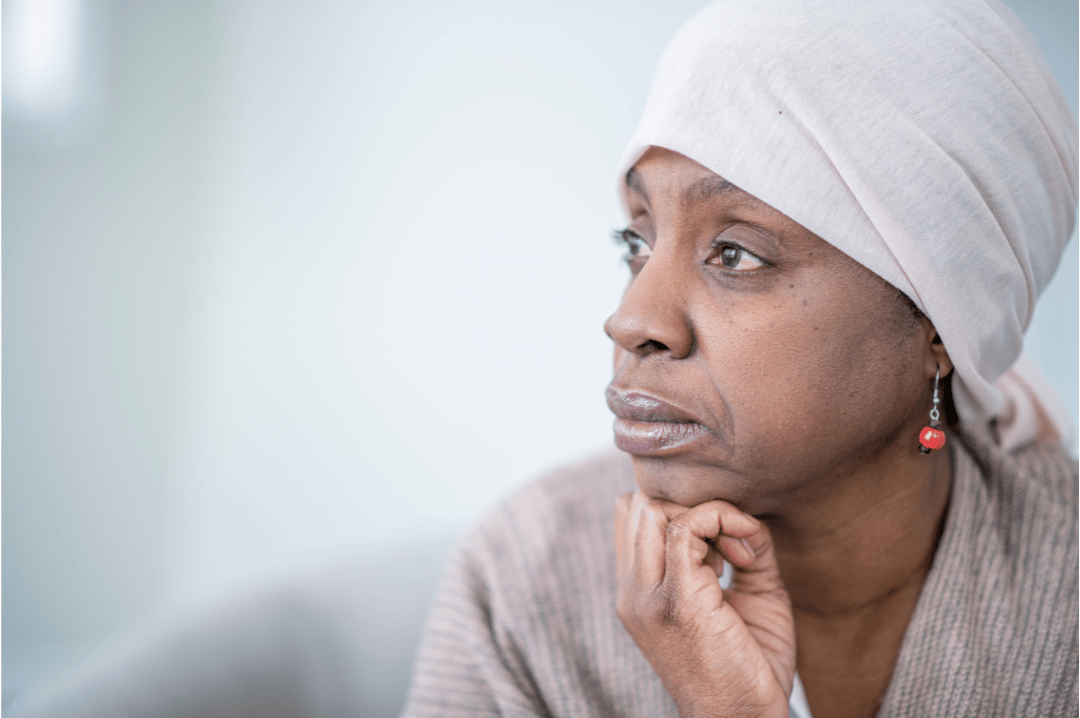
Ada is 58, a retired primary school teacher and mother of three. For months, she blamed her cough on the dry-season dust. When her weight began to fall and climbing the stairs became difficult, a scan and biopsy finally revealed lung cancer. Ada had never smoked.
Chemotherapy begins. Her daughter tracks appointments and blood results; her family balances fear with hope. Then Ada develops a fever. The focus shifts from the tumour to a troubling question: will the medicines used to treat her infection still work?
This is a less visible challenge in cancer care. It begins with a word many cancer families know, but may misunderstand: resistance.
When cancer cells stop responding to chemotherapy or targeted treatment, that is cancer drug resistance. Antimicrobial resistance (AMR) is different: it occurs when bacteria and other microorganisms no longer respond to medicines designed to treat them. Lung cancer does not cause AMR. The connection lies in how cancer and its treatment can leave patients more vulnerable to infections.
Lung cancer remains a major global health challenge. In 2022, nearly 2.5 million people were diagnosed with it, and about 1.8 million died (Bray et al., 2024). The disease can compromise respiratory health, while some cancer treatments weaken immune defences. Infections can therefore complicate care. Research has identified infection as a major cause of illness and death among people with cancer, while antibiotic resistance threatens progress in cancer treatment (Nanayakkara et al., 2021).
For people with lung cancer, research on resistant respiratory infections is still developing. A 2025 systematic review reported organisms such as Klebsiella pneumoniae and Pseudomonas aeruginosa among those found in pulmonary infections in this patient group. However, the precise relationship between these infections and cancer outcomes requires further study. Not every lung cancer patient needs antibiotics; for those who do, it is essential that the prescribed medicine works.
Antibiotics remain lifesaving when appropriately prescribed. But resistant infections can be harder to treat and may lead to longer hospital stays, increased costs and delays in cancer treatment. Infections and treatment decisions must be managed by qualified healthcare professionals. Patients should never stop, skip or change prescribed antibiotics on their own.
The challenge is particularly urgent in Africa. The World Health Organization reported that in 2023, one in five laboratory-confirmed bacterial infections in the African Region was resistant to antibiotics. The report also highlighted gaps in surveillance, making the true scale difficult to measure (WHO, 2025).
Nigeria’s second One Health National Action Plan on AMR covers 2024–2028. Yet gaps in laboratory capacity and surveillance remain important concerns. For a person receiving cancer treatment, timely laboratory diagnosis can help clinicians identify the infection and choose an effective medicine. We found no published Nigerian data specifically on AMR among people with lung cancer. This evidence gap is an important call for research.
Addressing this challenge requires collaboration among oncologists, microbiologists, infectious disease specialists, laboratory scientists, pharmacists, nurses, policymakers and cancer advocates. Infection prevention, accurate diagnosis, responsible antimicrobial prescribing and access to effective medicines must be integral to safe cancer care.
People living with cancer and their caregivers should report fever or new symptoms promptly, follow medical advice and never share or save leftover antibiotics. Healthcare professionals should use antimicrobials only when indicated and seek appropriate testing where possible. Policymakers must invest in laboratories, surveillance and quality-assured medicines. Cancer organisations should make infection safety part of cancer advocacy.
Ada’s story reminds us that cancer care involves more than treating a tumour. It also means protecting patients from infections and preserving the medicines that can treat them. The fight against cancer and the fight against antimicrobial resistance are distinct—but they must be addressed together.
References
- (2026, October 13). Nigeria: AMR – Nigeria admits gaps in tracking drug-resistant infections. https://allafrica.com/stories/202610130150.html
- Bray, F., Laversanne, M., Sung, H., Ferlay, J., Siegel, R. L., Soerjomataram, I., & Jemal, A. (2024). Global cancer statistics 2022: GLOBOCAN estimates of incidence and mortality worldwide for 36 cancers in 185 countries. CA: A Cancer Journal for Clinicians, 74(3), 229–263. https://doi.org/10.3322/caac.21834
- Federal Government of Nigeria. (2024). Nigeria: Second One Health antimicrobial resistance national action plan 2024–2028. World Health Organization. https://www.who.int/publications/m/item/nigeria–second-one-health-antimicrobial-resistance-national-action-plan-2024-2028
- Nanayakkara, A. K., Boucher, H. W., Fowler, V. G., Jr., Jezek, A., Outterson, K., & Greenberg, D. E. (2021). Antibiotic resistance in the patient with cancer: Escalating challenges and paths forward. CA: A Cancer Journal for Clinicians, 71(6), 488–504. https://doi.org/10.3322/caac.21697
- Pathogenic mechanisms and resistance profiles of microbial pulmonary infections in lung cancer: A systematic review. (2025). BMC Infectious Diseases, 26(1), Article 38. https://doi.org/10.1186/s12879-025-12272-9
- World Health Organization. (2025, October 13). WHO warns of widespread resistance to common antibiotics worldwide [News release]. https://www.who.int/news/item/13-10-2025-who-warns-of-widespread-resistance-to-common-antibiotics-worldwide