Move Against Cancer Africa | February 2026
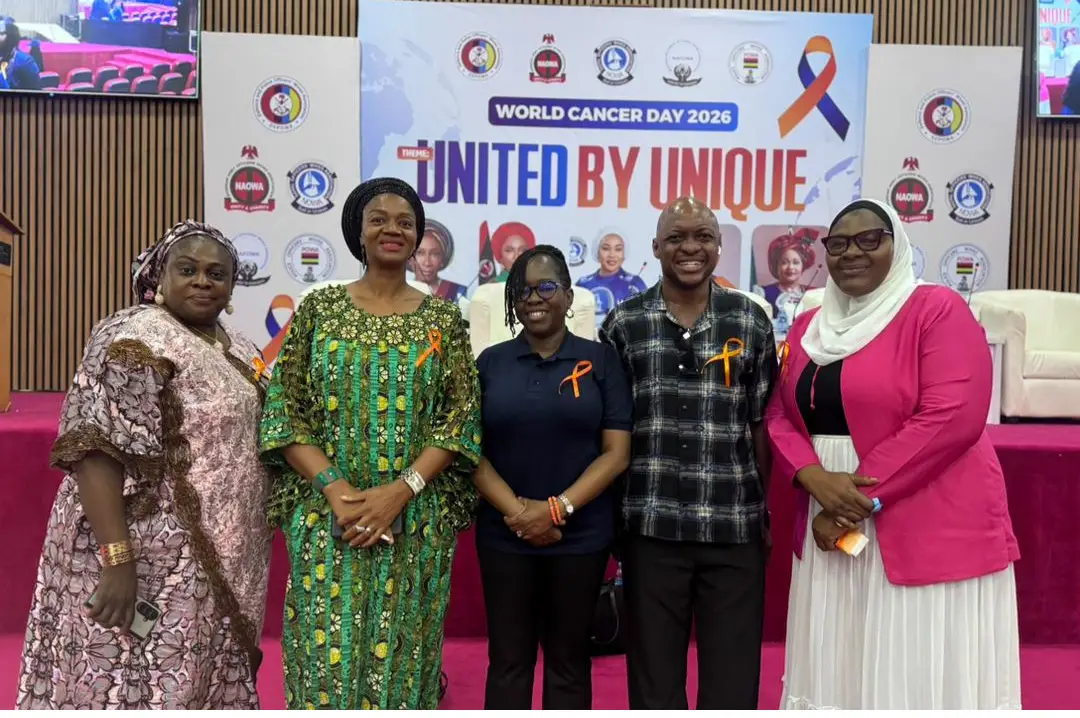
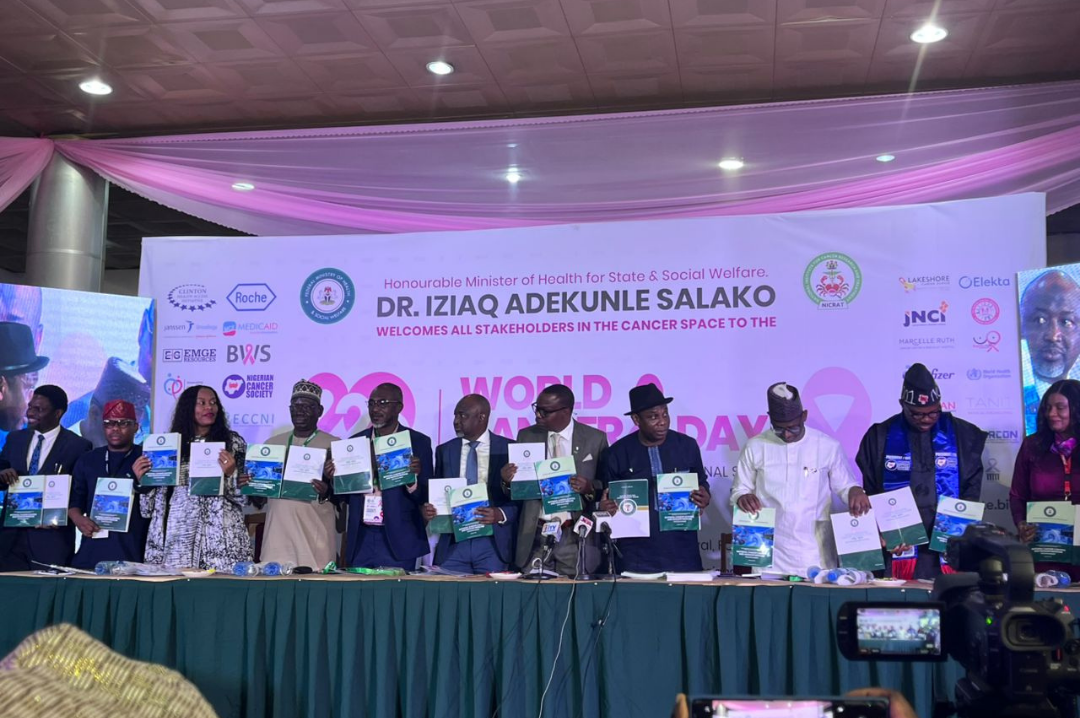
The World Cancer Day Commemoration was organised by the National Institute for Cancer Research and Treatment (NICRAT), in collaboration with the Federal Ministry of Health and Social Welfare. This conference is held annually on the 4th of February to mark the global World Cancer Day, highlight national cancer initiatives, and bring together stakeholders, including government institutions, professional bodies, development partners and survivor groups, to discuss advancements, key issues and recommendations for improved cancer care in Nigeria. On the 4th of February 2026, the annual world cancer day event held as usual, this time featuring a ministerial press briefing by the Honourable Minister of state for health, Dr Iziaq Salako, where he launched the Nigerian National Cancer Control Plan (2026–2030) and the National Nuclear Medicine Policy and Strategic Plan.
The Growing Cancer Burden
Cancer remains a major and growing public health concern globally. The WHO estimated 20 million new cancer cases were recorded in 2025, with projections rising to 35 million by 2030. Importantly, nearly half of these cases are preventable through effective public health interventions.
This growing burden highlights the urgent need for stronger prevention strategies, improved early detection, and sustained investment in cancer care systems, particularly in low- and middle-income countries.
Key Messages from Stakeholders
The event featured goodwill messages from a wide range of national and international organisations, including the World Health Organisation (WHO), Union for International Cancer Control (UICC), American Cancer Society (ACS), and others. Across these contributions, several recurring themes emerged.
Speakers emphasised the increasing incidence of preventable cancers in Africa and the persistent gaps between national policies and implementation at subnational levels. Concerns were also raised about the high cost of cancer treatment, especially chemotherapy, and the limited availability of local research and clinical trials to inform context-specific care.
These discussions reinforced the importance of collaboration, investment, and locally driven research in strengthening cancer control efforts across Nigeria and the wider African region.
Nigeria’s Cancer Control Journey
Nigeria’s cancer control efforts have evolved over time, reflecting a gradual shift from foundational system building to more comprehensive and patient-centred approaches.
The National Cancer Control Plan (2008–2013) focused on establishing basic structures to reduce cancer-related morbidity. During this period, efforts were directed at strengthening multidisciplinary care, workforce training, and partnerships. However, limited baseline data remained a major constraint, affecting effective planning and evaluation.
The subsequent plan (2018–2022) marked a shift towards a more holistic approach, recognising that cancer care extends beyond survival to include quality of life. It expanded efforts in screening, public awareness, and multisectoral collaboration. Despite these advances, implementation challenges persisted, particularly due to reliance on donor funding and limitations in monitoring and evaluation frameworks.
The current phase (2023–2027) focuses on scaling prevention, early detection, treatment, and data systems nationwide. Notable progress includes plans to strengthen cancer registries, expand HPV vaccination, engage stakeholders in advocacy, and upgrade cancer treatment infrastructure. While these efforts demonstrate meaningful progress, gaps remain in ensuring equitable access and sustainable financing.
Launch of the 2026–2030 Cancer Control Plan
A key highlight of the event was the ministerial briefing led by the Honourable Minister of State for Health, Dr Iziaq Adekunle Salako, who officially launched the National Cancer Control Plan (2026–2030) alongside Nigeria’s first National Nuclear Medicine Policy.
The new plan sets a clear direction for strengthening cancer control in Nigeria. It prioritises improved risk assessment, expanded screening and early detection, better access to comprehensive treatment, and enhanced palliative and end-of-life care services.
In addition, he announced a free cancer screening exercise was at the Federal Medical Centre, Jabi, Abuja, focusing on skin, breast, prostate, and cervical cancers throughout the month of February.
Outlook for the Public
- Get screened early and encourage others to do the same
- Perform regular self-breast examinations and attend annual mammography from age 45
- Undertake Pap smears from age 21 and HPV testing from age 25 at recommended intervals
- Consider colonoscopy from age 45 and PSA testing for men aged 40–55
- Avoid tobacco use in all forms, including cigarettes, shisha, and vaping products
- Get vaccinated against HPV and Hepatitis B
- Maintain a healthy lifestyle with balanced nutrition, physical activity, and reduced alcohol intake
- Protect your skin from excessive sun exposure
- Speak up, share information, and support cancer awareness efforts
Outlook for Africa
- Expand access to HPV and HBV vaccination, particularly in underserved and hard-to-reach populations
- Strengthen and enforce tobacco control measures, including restrictions on sales, advertising, and public smoking
- Improve cancer data systems to support evidence-based planning and decision-making
- Invest in infrastructure and workforce capacity to enhance diagnosis and treatment services
- Increase access to radiotherapy and other specialised cancer care services across the continent.
Ultimately, improving cancer outcomes in Nigeria and across Africa will depend on continued collaboration, strategic investment, and a strong commitment to patient-centered care
Author(s): Miss Divine Uchenna
Editor(s): Dr. Abiodun Egwuenu, Mrs. Ogechukwu Akabuike.