Move Against Cancer Africa | July 2026
What if the greatest threat to your lungs isn’t the cigarette you never smoked, but the smoke rising from the meal you cook every day? What if the disease you thought belonged to someone else has been quietly taking root in homes, workplaces, and communities all around you?
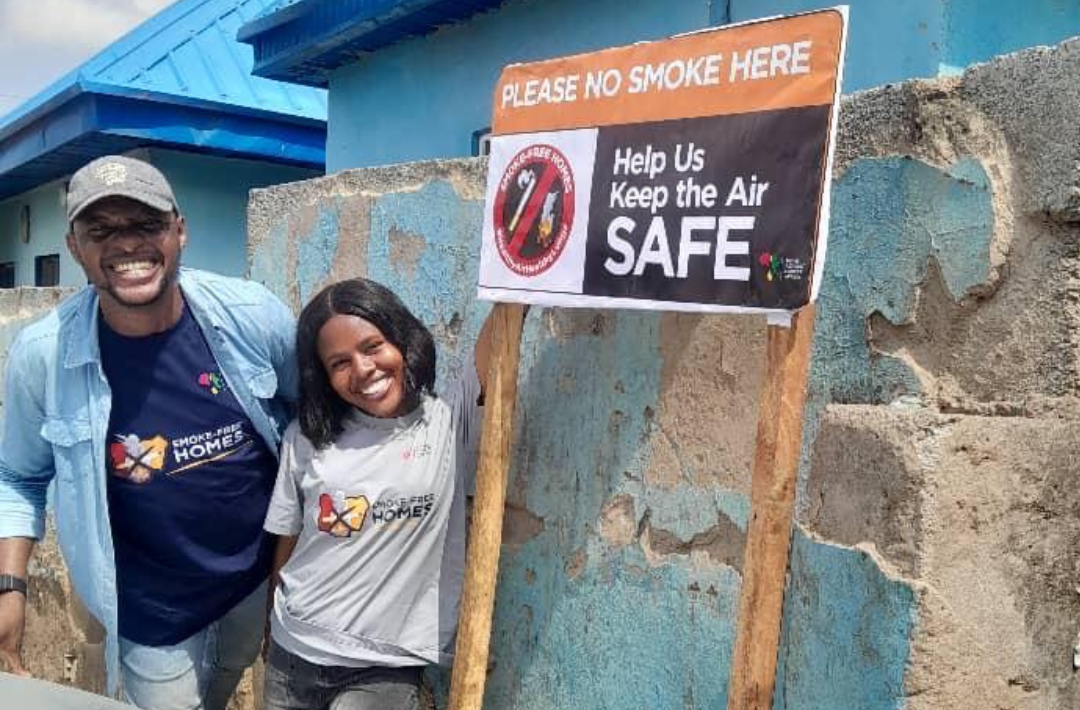
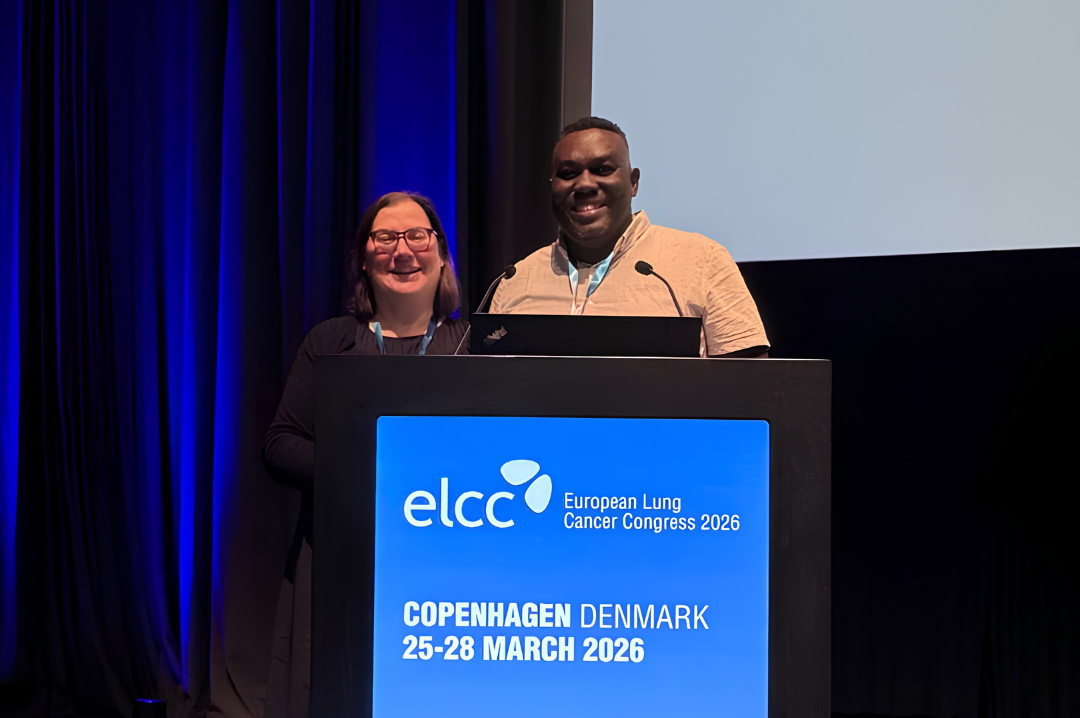
These conversations took centre stage at the 2026 European Lung Cancer Congress (ELCC) in Copenhagen, Denmark, where leading scientists, clinicians, researchers, advocates, and policymakers gathered to discuss the future of lung cancer prevention and treatment. Among them was the Move Against Cancer Africa (MACA) team, whose participation demonstrated that Africa is not merely part of the conversation but is increasingly helping to shape it. Isaac Joseph, a member of the MACA team, presented one of the award-winning posters at the conference: “Breathe to Live: A Lung Cancer Advocacy and Community Awareness Campaign in Piwoyi, Abuja, Nigeria”, showcasing the power of community engagement and locally driven solutions in tackling one of the world’s deadliest diseases.
But perhaps the most sobering message from the congress was not about scientific breakthroughs. It was about timing. An estimated 70–80% of lung cancer cases in low- and middle-income countries (LMICs) are diagnosed only after the disease has reached Stage III or Stage IV, when curative treatment options are often limited. By this stage, patients typically face poorer prognoses, reduced survival rates, and significant emotional and financial burdens on their families (European Lung Cancer Congress [ELCC], 2026). In many communities, symptoms such as persistent cough, chest pain, unexplained weight loss, or coughing up blood are frequently overlooked or mistaken for less serious respiratory illnesses, leading to delays in diagnosis and treatment (World Health Organization [WHO], 2025; ELCC, 2026).
This is why early detection emerged as one of the defining themes of ELCC 2026. While low-dose CT scanning remains the international gold standard for identifying lung cancer before symptoms appear, access to such technology is limited across much of Africa. Encouragingly, experts highlighted community-based screening initiatives as practical alternatives that could bring earlier diagnosis closer to the people who need it most, proving that innovation is not always about expensive equipment but about adapting solutions to local realities.
The urgency becomes even clearer when we challenge another dangerous misconception – that smoking is the only meaningful cause of lung cancer. In many African households, women spend hours each day cooking over biomass fuels such as firewood and charcoal, inhaling smoke containing harmful carcinogens. Construction workers and miners breathe silica dust or asbestos fibres over many years without adequate protection, while children and non-smokers continue to suffer the effects of second-hand smoke. In some regions, these exposures may contribute to as many or even more lung cancer cases than tobacco itself, exposing the limitations of awareness campaigns that focus solely on smoking.
Understanding these risks is only one part of the equation. Equally important is ensuring that patients who develop lung cancer can benefit from the remarkable advances transforming treatment worldwide. Modern oncology increasingly relies on biomarker testing to identify a tumour’s genetic characteristics and match patients with targeted therapies that can dramatically improve outcomes. Yet for many Africans, these technologies remain out of reach because of limited laboratory infrastructure, high costs, and inadequate investment in molecular diagnostics. Delegates at ELCC repeatedly emphasised that precision medicine should not become another privilege reserved for wealthier nations but must be made accessible through sustainable funding, technology transfer, and integration into national cancer programmes.
MACA’s leadership in discussions of the Empowerment, Influence, and Action (EIA) Framework reflected a broader vision to strengthen African representation in research, advocacy, and policymaking. Rather than simply adopting global strategies, Mr Caleb Egwuenu presented this framework to equip local communities and organisations with the information required to influence decisions, generate evidence, and shape interventions that reflect African realities.
That philosophy extends beyond conference halls and scientific publications. It calls for cleaner household cooking technologies, stronger tobacco control policies, safer workplaces, wider public education, and better integration of cancer screening into primary healthcare. Lung cancer is a social, environmental, and policy challenge that touches every community. The future of lung cancer care will not be determined solely by the next breakthrough drug or sophisticated technology. It will depend on whether people recognise the risks of lung cancer early enough, whether health systems respond quickly enough, and whether every individual, regardless of where they live, has equal access to these technologies and systems.
Written by: Mrs Ogechukwu Akabuike
Edited by: Dr Abiodun Egwuenu