Move Against Cancer Africa | April 2026
The stretch at Garki village, Abuja, Nigeria, has quietly become more than a hangout spot; it’s now a refuge for young people chasing quick highs. What starts as “just cigarettes” often drifts into something darker: weed, tramadol, codeine, ICE, even meth and other street mixes passed around without a second thought. It looks like laughter, freedom, and escape, but beneath it is something far less harmless, because every inhale carries risks that extend far beyond the moment.
Tobacco use and smoke exposure are not just habits; they are major drivers of cancers, particularly lung and oral cancers, but also cancers of the throat, oesophagus, and bladder (World Health Organization [WHO], 2026; American Cancer Society, 2025). Tobacco inhalation is strongly associated with diseases such as chronic obstructive pulmonary disease (COPD), lung cancer, oral cancer, and asthma (World Health Organization, 2023; International Agency for Research on Cancer, 2012). But beyond tobacco, air pollution adds another layer of risk. Firewood and charcoal smoke contain fine particulate matter and polycyclic aromatic hydrocarbons (PAHs), toxic substances that can damage lung tissue and promote cancer development. These emissions have been classified as carcinogenic to humans (International Agency for Research on Cancer, 2010; World Health Organization, 2021). Generator fumes, commonly inhaled during power outages, contain a mixture of harmful gases such as carbon monoxide (CO), nitrogen oxides (NOₓ) and sulphur dioxide (SO), which can irritate and inflame the lungs and are also carcinogenic United States Environmental Protection Agency, 2022; World Health Organization, 2021).
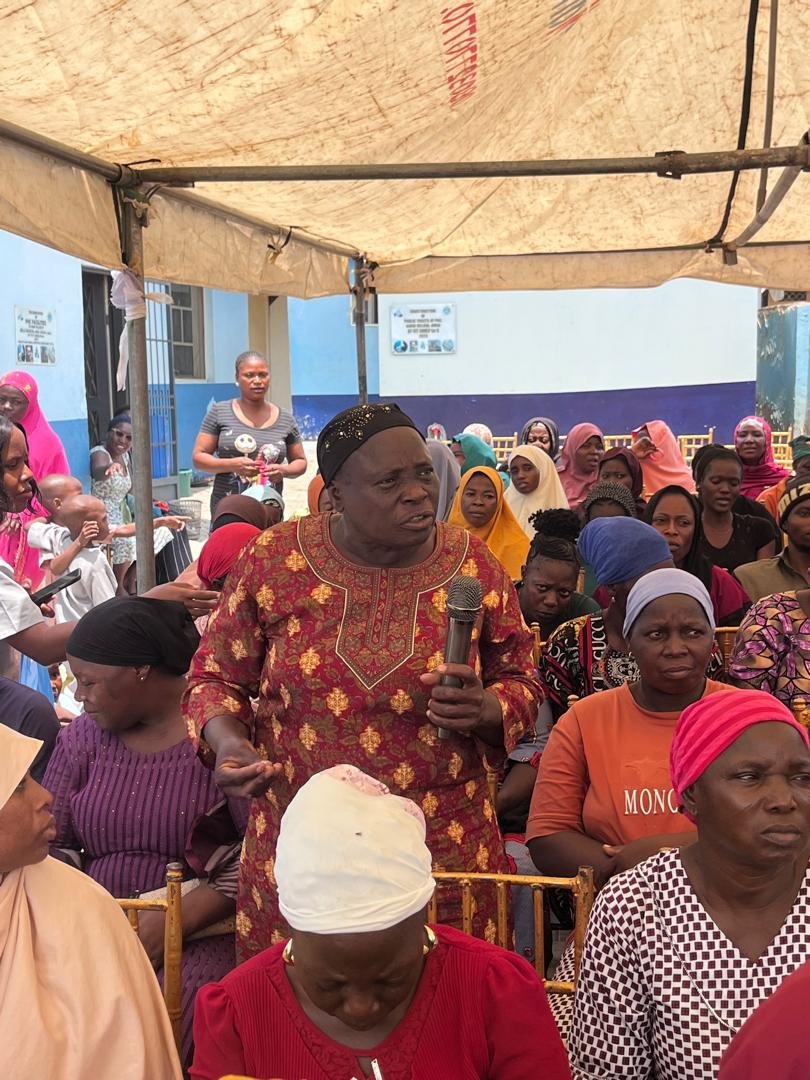
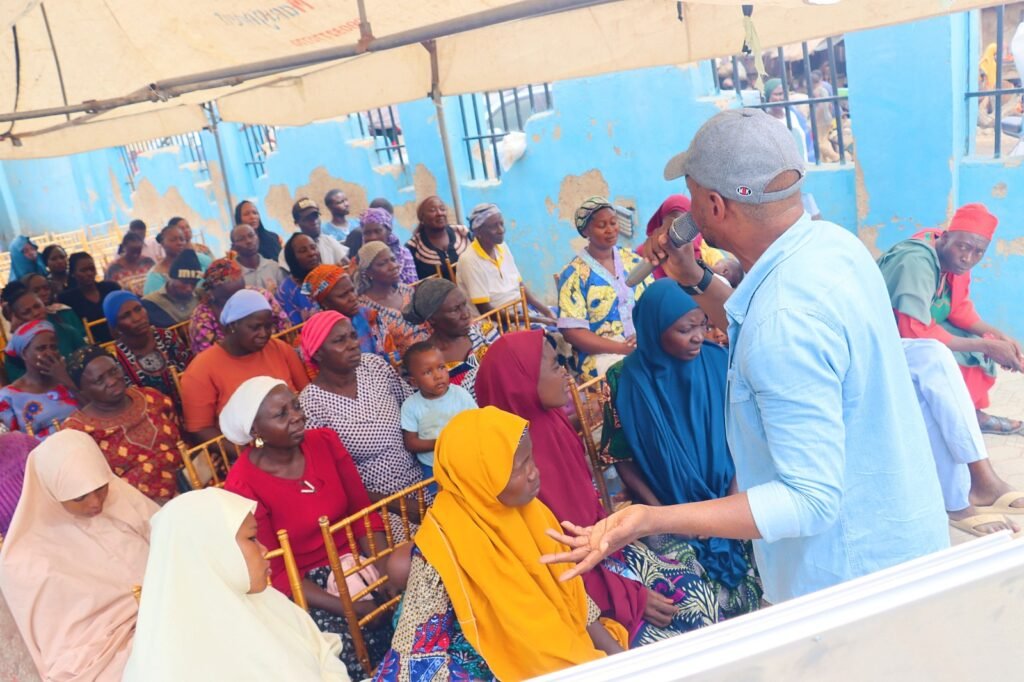
Move Against Cancer Organisation commenced a community campaign tagged: Tobacco Cessation and Smoke-free Homes Awareness Campaigns, a drive towards tobacco use cessation, reduction and highlighting the dangers from exposure to environmental smoke generated from using biomass fuel. The outreach is designed to ascertain the community’s awareness, knowledge, and attitudes toward the dangers posed by tobacco smoking and smoke inhalation, such as exposure from everyday energy sources like charcoal, firewood, and generators.
The Smoke – Cancer Connection: What you must know
Globally, lung cancer remains the leading cause of cancer-related deaths, claiming about 1.8 million lives annually (WHO, 2026). Across Africa and in Nigeria, the burden is rising steadily, driven by increasing tobacco use and prolonged exposure to harmful smoke in homes and communities (WHO, 2019; Global Burden of Disease estimates).
Our baseline community survey in the area showed that participants reported that 94.1% of smokers were youths aged 18 to 39, while 47.3% of respondents reported smoking among adolescents aged 13 to 17. That’s not just alarming, it’s a quiet crisis unfolding in plain sight. For many non-smokers, the danger feels distant – but secondhand smoke is a serious and often underestimated risk. It occurs when individuals inhale smoke from another person’s cigarette or from contaminated air. Research shows that tobacco smoke can remain suspended in indoor air for hours after active smoking has stopped, prolonging exposure and increasing health risks (United States Environmental Protection Agency, 2023; Centers for Disease Control and Prevention, 2024). In Garki Village, while 90.3% of respondents recognised that secondhand smoke is harmful, only 20% understood its direct link to cancer, again highlighting the gap between awareness and true risk comprehension. Our findings revealed that 83.6% and 82.0% of residents are exposed to firewood and charcoal smoke, respectively – a constant, normalised risk.
Awareness is not enough
In addition, while 98% of people acknowledge that smoking is harmful and and 90.3% understood the dangers of secondhand smoke, only about 20% truly understand its direct link to cancers such as lung and oral cancer. Even more alarming is the fact that this knowledge has not translated into protective behaviour. Only 7.1% had ever heard of a smoke-free community, just 18.8% had taken any steps to reduce smoke exposure in the past three months, and a mere 8.8% reported using face masks during smoke exposure.
This disconnect between what people know and what they do highlights the real challenge. The reality is simple but often overlooked: smoke is smoke. Whether it comes from a cigarette, a kitchen stove, or a generator, the body absorbs the toxins, and over time, the cumulative exposure increases the risk of cancers affecting the lungs, mouth, throat, and beyond.
From awareness to practical change
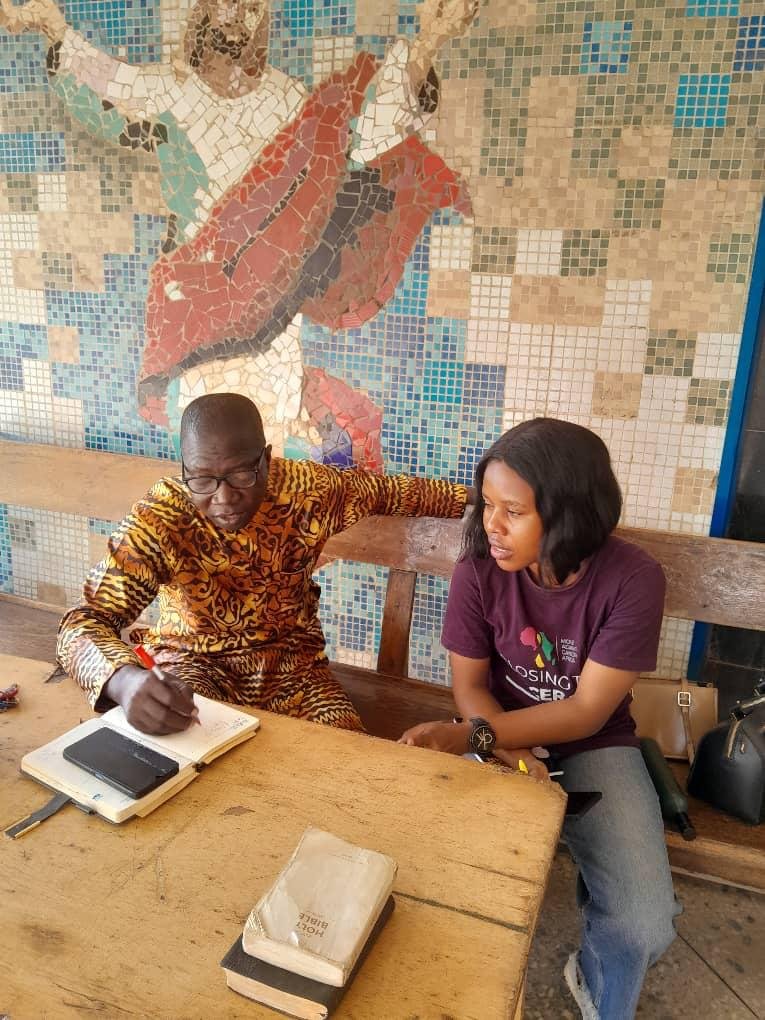
The campaign moved beyond awareness to solutions by equipping the community members with practical, achievable steps that individuals and families can take to reduce cancer risk:
- Improving ventilation while cooking or using generators
- Reducing dependence on firewood and charcoal where possible
- Using face masks when exposure cannot be avoided
- Speaking up against smoking in enclosed or shared spaces
- Adopting safer household practices that reduce smoke accumulation
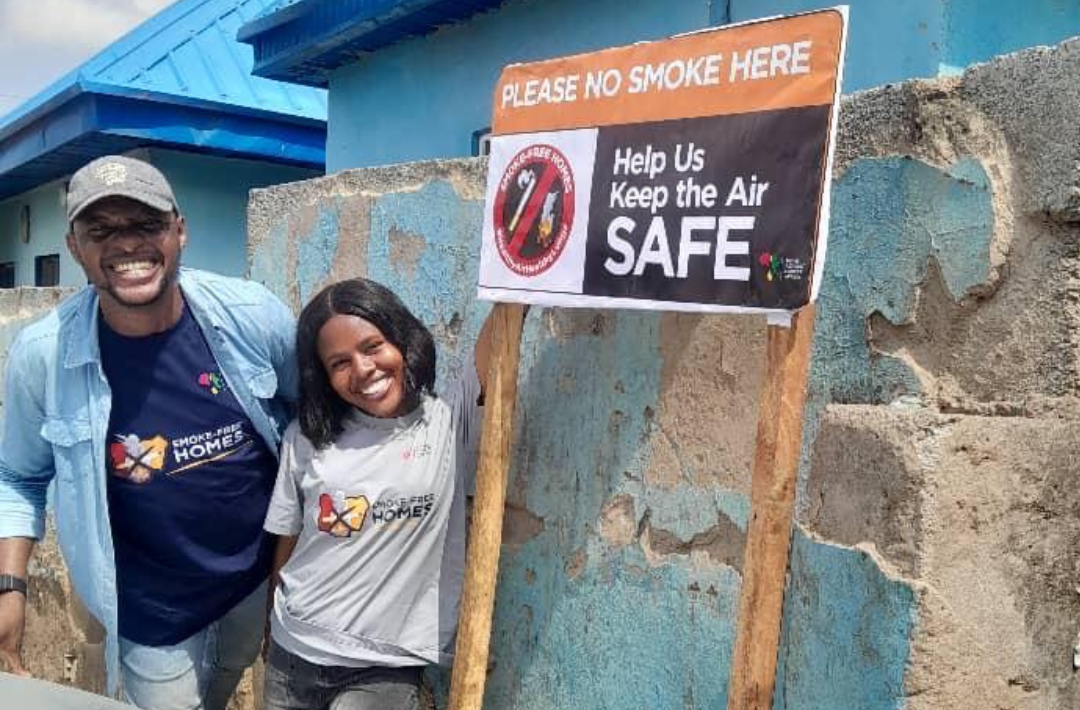
By the end of the outreach, about 85% of the survey participants were not just listeners but active contributors to change. A collective community smoke-free pledge was taken and participants registered for tobacco cessation support sessions, a powerful step toward reducing their risk of tobacco-related diseases. Following the event, the MACA team installed a “No Smoking” sign at a known smoking hotspot, reinforcing the message with visible, lasting action.
The bigger picture
What is happening at the Garki village reflects a broader reality across Nigeria:
- Tobacco use remains prevalent among young people
- Harmful smoke exposure extends beyond cigarettes to the use of biomass fuel for daily activities
- Awareness exists, but the depth of knowledge is limited
And yet, there is hope. Even small reductions in exposure to these risk factors can significantly lower the burden of cancer over time.
A question for all of us
If nearly everyone knows the danger… If the evidence is clear… Why are we still breathing what we know is harmful?
Because until awareness becomes action, the risk remains, and so does the growing burden of preventable cancers that affect our lungs, our bodies, and our future. At Move Against Cancer Africa (MACA), this is more than a campaign—it is a call to action.
References
- World Health Organization. (2021). WHO global air quality guidelines: Particulate matter (PM2.5 and PM10), ozone, nitrogen dioxide, sulfur dioxide and carbon monoxide.
- World Health Organization. (2023). Tobacco fact sheet.
- International Agency for Research on Cancer. (2010). Household use of solid fuels and high-temperature frying (IARC Monographs, Volume 95).
- International Agency for Research on Cancer. (2012). Personal habits and indoor combustions (IARC Monographs, Volume 100E).
- United States Environmental Protection Agency. (2022). Integrated Science Assessment for Oxides of Nitrogen and Sulfur.
- World Health Organization (WHO). (2026). Lung cancer fact sheet.
- American Cancer Society. (2025). The Cancer Atlas: Tobacco.
- World Health Organization (WHO). (2019). Tobacco and lung disease burden.
- Global Burden of Disease / BMC Public Health. (2025). Global patterns of lung cancer and tobacco exposure.
- Centers for Disease Control and Prevention. (2024). Secondhand Smoke Exposure.
- United States Environmental Protection Agency. (2023). Secondhand Smoke and Indoor Air Quality.
- International Agency for Research on Cancer. (2012). Personal habits and indoor combustions (IARC Monographs, Volume 100E).