
Move Against Cancer Africa | November 2025
“It began with what seemed like a simple bladder infection…”
Mr. Musa, a 52-year-old farmer from Kogi State, began noticing blood in his urine and the urge to urinate more often. The local chemist gave him antibiotics, but the symptoms returned, stronger and more painful each time. Months later, his lower abdomen swelled; in the hospital, he received a devastating diagnosis: advanced bladder cancer. By then, the disease had spread beyond the bladder wall. Despite the best efforts of his doctors, he passed away six months after diagnosis. His story mirrors that of countless Nigerians, men and women silently battling undiagnosed bladder disease that advances to cancer because early signs are ignored or healthcare is inaccessible.
The Silent Crisis: Why Bladder Health Deserves Attention
Bladder cancer may not top Nigeria’s list of public health discussions, but it is one of the most neglected yet deadly urological malignancies in the country. While global survival rates are improving, Nigeria’s reality paints a worrying picture: late-stage diagnosis, limited treatment options and crushing out-of-pocket costs that force many to abandon care. This neglect isn’t just medical, it’s systemic. The absence of national guidelines, weak referral systems, and poor awareness about early bladder health symptoms all create a perfect storm.
Bladder Cancer: A Global and Local Perspective
Globally, bladder cancer is the 10th most commonly diagnosed cancer, with over 573,000 new cases and 213,000 deaths recorded in 2020 (Sung et al., 2021). Men are nearly three times more likely to develop bladder cancer than women (World Health Organization [WHO], 2023). In Africa, the epidemiology differs; infectious causes such as schistosomiasis remain major contributors (Ferlay et al., 2021). In Nigeria, most patients present at advanced stages, when the disease is already aggressive (Eke et al., 2020). Treatment and diagnostics are largely out-of-pocket, with minimal insurance coverage, causing many patients to discontinue care.
Understanding the Bladder Cancer Connection
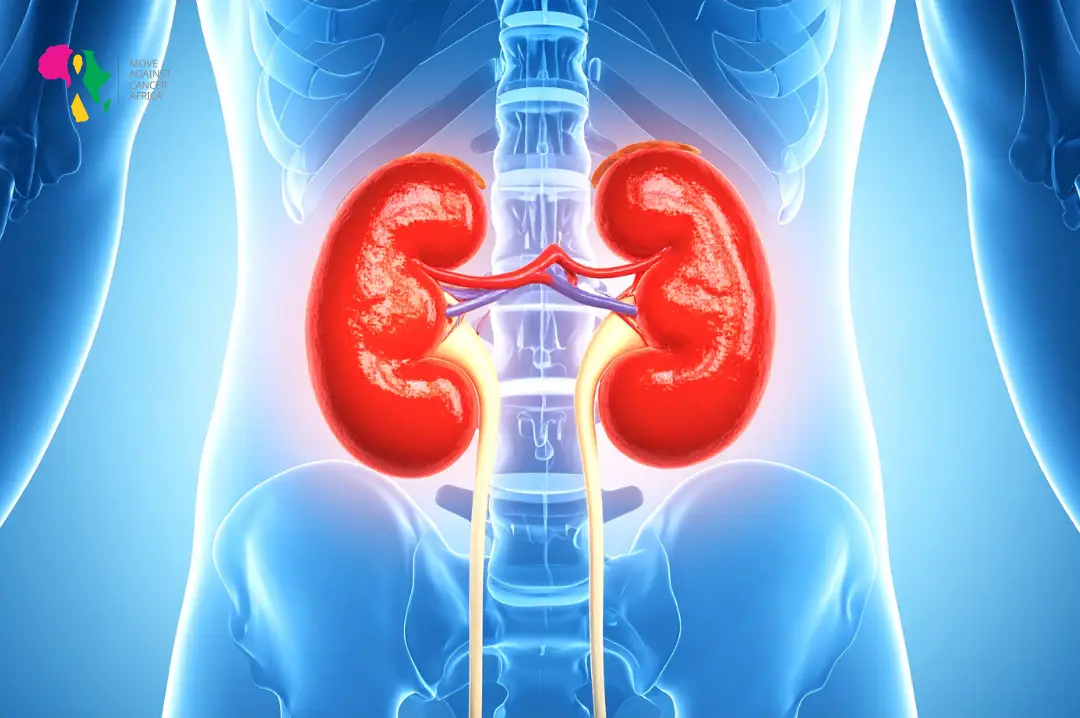
The bladder is a muscular organ that stores urine before excretion. When its lining is chronically irritated, whether by infection, chemicals, smoking, or parasitic disease, cells can mutate and evolve into cancer. In Nigeria, Schistosomiasis (Bilharzia) is common in areas with poor sanitation and open water sources. Tobacco use and industrial chemical exposure, as industrialization progresses, exposure to dyes and chemicals increases are all contributing factors to its prevalence. Ignoring frequent urination, blood in urine (hematuria), or pelvic pain can be fatal. Early testing and evaluation can make all the difference.
Clinical Care Pathways Under Pressure: Bladder Cancer Management in Nigeria
A review of available literature reveals a daunting reality, hospitals frequently lack availability of cystoscopy, biopsy services and advanced imaging. Few centers provide intravesical Bacillus Calmette-Guérin (BCG) therapy, radical cystectomy or proper follow-up. Coordination between diagnosis, treatment and follow-up is weak; patients often fall through the cracks. There are currently no standard national guidelines for bladder cancer care in Nigeria, undermining consistency of care (Iya et al., 2022). These gaps reflect deep-seated structural inequities in Nigeria’s health system. When the care pathway breaks down, survival suffers and financial hardship follows.
Towards Better Bladder Health: Call to Action
At Move Against Cancer Africa (MACA), we believe awareness is the first step to prevention. A healthy bladder means a healthier life.
For Individuals:
- Quit smoking and avoid secondhand smoke.
- Minimise exposure to industrial chemicals. Workers in certain industries (textile/dyeing, printing, leather tanning, chemical manufacturing) should use personal protective equipment (PPE) (gloves, masks, protective suits) and follow workplace safety protocols.
- Employers and regulatory agencies should monitor and control aromatic amines, heavy metals, and other recognised bladder carcinogens in the work environment.
- For -risk group groups (farmers, chemical industry workers, residents in schistosomiasis-endemic zones, smokers), cystoscopy or urine cytology should be included in regular checkups.
- Avoid contact (swimming, bathing, washing clothes) in untreated (non-chlorinated) open water bodies known to harbour schistosomiasis, particularly in endemic areas.
- Recognise early warning signs: blood in urine, frequent urination, pelvic pain, burning on urination, and seek evaluation early.
For Policymakers & Health Stakeholders:
- Expand the National Strategic Cancer Control Plan to include the deployment of bladder cancer management guidelines.
- Ensure NHIA/catastrophic-health-insurance schemes explicitly cover diagnostic cystoscopy, intravesical therapy, radical cystectomy and follow-up surveillance for bladder cancer.
- Strengthen urology-oncology multidisciplinary clinics across all geopolitical zones, with standardised referral protocols.
- In schistosomiasis-endemic regions: integrate bladder cancer screening programs with schistosome-control efforts (e.g., targeted screening for people with a history of schistosomiasis, hematuria).
- Strengthen existing cancer registries by expanding geographical coverage, ensuring and training personnel to ensure complete, high-quality data, including on bladder cancer.
Your bladder tells a story; listen to it. What starts as a mild symptom can escalate to something life-threatening if ignored. Let’s change that narrative, through awareness, screening and action.
Join Move Against Cancer Africa this Bladder Health Month as we come together to
- Amplify messages about bladder cancer prevention and the identification of early symptoms.
- Engage policymakers and push for improved data access and use for improved bladder cancer management.
Visit: www.macaafrica.org
Written by: Dr, Abiodun Egwuenu, Mrs. Ogechukwu Akabuike